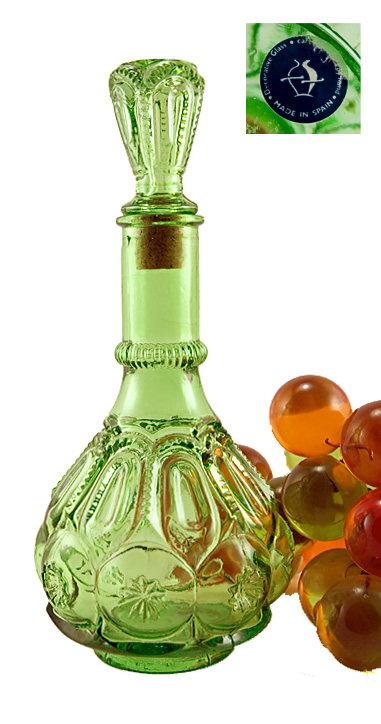
The story of Western European glass is one of royal innovation, breathtaking luxury, and mid-century decorative charm. Stretching from the British Isles to the Iberian Peninsula, this region defined the global standards of fine art glass and luxury crystal for centuries.
- The United Kingdom and Ireland: In the late 1600s, English glassmaker George Ravenscroft revolutionized the industry by perfecting lead crystal. This heavier, brilliantly clear glass possessed a spectacular diamond-like sparkle, paving the way for legendary houses like Waterford in Ireland to dominate the global luxury dining market.
- France: Globally celebrated for poetic art glass, France’s legacy is heavily anchored by the iconic René Lalique. In the late 19th and early 20th centuries, Lalique blended fine jewelry techniques with glassmaking, using frosted finishes and molded reliefs to elevate functional glass into high art.
- Belgium: Often emulating the intricate, deeply wheel-carved Bohemian styles of Central Europe, Belgium became famous for its heavy, flawless crystal. Historic Belgian glasshouses like Val Saint Lambert specialized in luxury cut-to-clear crystal dinnerware that rivaled the finest European palaces.
- Spain and Portugal: During the mid-20th century, the Iberian Peninsula specialized in colorful, rustic decorative bottle glass and centerpieces. These regional glassworks successfully mass-produced vibrant decanters and barware utilizing heavily pressed, light-catching vintage motifs like the popular “Moon and Star” pattern.
View Western European Glass at Retro Art Glass